AYURVEDA SIDDHA TREATMENTS FOR DIABETES MELLITUS

Diabetes is a defect in the body’s ability to convert glucose (sugar) to energy. Glucose is the main source of fuel for our body. Carbohydrates, when digested, change to glucose.

SIDDHA AYURVEDA TREATMENTS FOR HIV/AIDS

Acquired immunodeficiency syndrome (AIDS) is a term which applies to the most advanced stages of HIV infection. It is defined by the occurrence of any of more than 20 opportunistic infections or HIV-related cancers.

KIDNEY FAILURE TREATMENT

Kidney failure, also called end-stage renal disease (ESRD), is the last stage of chronic kidney disease. When your kidneys fail, it means they have stopped working well enough for you to survive without dialysis or a kidney transplant.

White Pearl - Skin Whitening Treatment

Skin Whitening is the process of using herbal or chemical substances in an attempt to lighten skin tone or provide an even skin complexion by reducing the melanin concentration in the skin.

Showing posts with label Diabetes. Show all posts

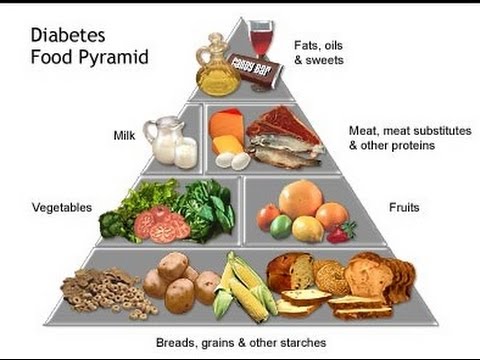
Food for Diabetics

Before knowing the food which people with diabetes can eat it is foremost important to know about what is glycemic index which is commonly noted as "GI". It is basically the measure which shows how quickly the carbohydrates in a specific food turns into blood sugar. They are marked low, medium or medium based on the time taken for it to raise blood sugar.


Therefore it is always advisable to take low GI foods so that it does not increase the blood glucose levels rapidly. By eating high GI foods it will raise blood sugar level significantly, thereby gives a higher post-meal blood glucose value.

LOW GI FOODS : have a GI of 55 or less

MEDIUM GI FOODS : between 56 to 69

HIGH GI FOODS: 70 or higher


Reference:

http://www.healthline.com/health/type-2-diabetes/fruits-vegetables

Fruits for people with Diabetes

Fruits are best source for dietary fiber and nutrients although they possess natural sweetness. People suffering diabetes often wonder how to fit the fruits into their diet plan without raising the blood glycemic level. According to American Diabetes Association (ADA), fruits are loaded with vitamins, minerals and fiber and should be a part of diabetes friendly diet with an eye on portion sizes.

JACK FRUIT


Jack fruit contains vitamin A, vitamin C,thiamine, riboflavin, niacin, calcium, potassium, iron, manganese and magnesium among many other nutrients. It has been found to improve insulin resistance in diabetes patients.

 POMEGRANATE


Pomegranate has been found to improve blood sugar statistics in diabetics people.


WATERMELON


Although watermelons have hive GI values, their glycemic index is low, making them good fruits for people with diabetes. However it should be consumed in moderate level.


ORANGES


Oranges can be consumed on daily basis by diabetics as they are rich in vitamin c.

STRAWBERRIES


One serving of strawberry can satisfy the daily requirement of vitamin C. In a recent study people who ate strawberries along with white bread required less insulin to control blood sugar compared to people who ate white bread alone.

 PAPAYA


Papaya are good for diabetics as they are rich in vitamin and other minerals.

PINEAPPLE


Pineapples possess antiviral, anti-inflammatory and anti-bacterial properties and good for diabetics.

GUAVA


Guava controls diabetes and it is good for constipation. Guavas are high in vitamin A and vitamin C and contain high amounts of dietary fiber. This fruit has a reasonably low GI.


STARFRUIT


 Starfruits help to reduce blood glucose level but caution needs to be exercised in case the person has diabetes nephropathy.


BLACK JAMUN


This is one of the best fruit for diabetics. It is known to control blood sugar. Various clinical and preclinical studies have been conducted demonstrating anti-hyperglycemic activity of jamun seeds.


SOURCE:

http://www.webmd.com/diabetes/features/fruit-and-diabetes

http://timesofindia.indiatimes.com/life-style/photo-stories/health-fitness/Top-10-fruits-for-diabetics/photostory/35993929.cms

http://www.healthline.com/health/type-2-diabetes/fruits-vegetables


Eating potatoes increases the risk of type 2 diabetes


Harvard researchers report that greater consumption of potatoes can increase the risk of type 2 diabetes, but replacing potatoes with whole grains can lower the risk.
The study, published in Diabetes Care, was conducted by a research team led by Qi Sun, MD, ScD, Harvard T.H. Chan School of Public Health. Sun and colleagues analysed data from male and female health professionals in the United States who didn't have diabetes, cancer or cardiovascular disease.
These findings existed even after adjustment for confounding factors such as diet, demographic, lifestyle and BMI.
Eating seven servings of potatoes per week led to the highest risk of type 2 diabetes, while each additional three servings per week also increased the risk. However, replacing three or more servings per week with the same amount of whole grains reduced the risk of type 2 diabetes.
Whole grains included dark bread, whole-grain breakfast cereal, popcorn, cooked oatmeal, wheat germ, brown rice, bran, and other grains.
Limiting potato intake is also useful if you have type 2 diabetes, as potatoes contain a significant amount of carbohydrate. A low-carb diet can have benefits such as improved blood glucose control and weight loss for people with type 2 diabetes.

12 Ways to avoid the complications of diabetes


As most of us heard about the saying that diabetes is not dangerous by itself, but its complications are. What distinguishes a person with diabetes from healthy one? Why complications develop and can we avoid them? Let us remember what is diabetes? Diabetes - chronically elevated blood sugar.
This is the only difference in terms of a healthy person and a patient with diabetes.
By following the tips below, you can live a full active life and avoid the complications
1. Plan your "carbohydrate" menu 
If you have diabetes - that does not mean you have to completely abandon the carbohydrates. You just need to give preference to products that contain carbohydrates that are slowly digested. Products containing whole grains, legumes, nuts, fresh fruits and vegetables - this is what you need!

2. Lose weight if you are overweight
Even if you lose couple of kilos, it will improve the body's ability to use insulin. Reduction of body weight will help regulate blood pressure, will help to reduce cholesterol levels and blood sugar.

3. Get enough sleep
The fact that you are sleeping too little or too much may increase appetite and craving for foods high in carbohydrates. This can lead to excess weight gain and the development of cardiovascular diseases. Healthy recommended sleeping duration last for 7-8 hours a day.

4. Be physically active
Walking, dancing, cycling and even walking in place while you're talking on the phone, help reduce the risk of cardiovascular disease, reduce cholesterol and keep weight and blood pressure are normal. Perform physical activity at least half an hour a day - it will help you relieve stress and may even reduce the number of medications taken for diabetes.

5. Check daily blood sugar
This check will help you avoid complications. In addition, you'll see how different products and physical activity are affecting you sugar levels.

6. Control your stress
In diabetes, stress can induce an increased concentration of glucose in the blood. Avoid stressful situations and discover relaxation techniques. Breathing exercises, yoga and meditation can be especially effective in diabetes.

7. Say "no" to salt!
Reducing salt intake can help lower blood pressure and protect the kidneys. Sometimes it is not enough just to decrease salt in food, because a lot of salt is contained in the packaged food. Try, if possible, to prepare own meal. Try to partially replace salt and spices.

8. Heart disease and diabetes
The cause of the serious complications of diabetes can be a cardiovascular disease. To prevent such complications you should:
· Determine average blood sugar levels every 2-3 months
· To keep blood pressure at 130/80 on average
· Maintainblood cholesterol at 100 mg / dl, HDL - above 40 mg / dl and triglyceride - less than 150 mg / dl.

9. Watch out for trauma and bruises
Diabetes increases the risk of infection and slows healing of wounds, so you should take seriously the cuts and scratches. In case of injury, you must respond immediately: clean the wound and treat with antibacterial bandage. Consult your doctor if the wound doesn’t heal in few days. Regularly check the feet for cuts, blisters, redness or swelling.

10. Do not smoke
Smokers with diabetes are twice as likely to die prematurely. Quitting smoking will positively affect the lungs, heart and lowers blood pressure, reduce the risk of stroke, heart attack, and nerve damage and kidney disease.

11. Pick the right diet
Carefully study the labels on the products. Avoid consumption of saturated fats and trans fats. Instead, give preference to products containing mono- and polyunsaturated fats like olive oil. It is useful to have as a fish in it contain omega-3 unsaturated fatty acids. Eat more vegetables, fruits and salads with leafy greens.
Statistics show that a person with diabetes, but with controlled levels of glucose and taking regularly vitamins, is much less likely to suffer from severe complications of diabetes. Each component of the vitamin complex provides the patient's body protection from deterioration and severity of the disease.

12. Visit a doctor
Be sure to go to the doctor 2-4 times a year. If you are taking insulin, you may need to visit the doctor more often. Once a year, go through a full examination of the body, in particular, examination of condition of the eyes, kidneys and nerves. Visit a dentist twice a year.

Side effects of allopathic anti-diabetic drugs


SIDE EFFECTS OF MODERN ANTI DIABETIC DRUGS
SIDE EFFECTS OF MODERN ALLOPATHIC ANTI-DIABETIC DRUGS